Calm is the New Luxury: Why Low-Stimulation Homes Are Trending
28 January 2026 • RentNowBrunei
For a long time, luxury in the home was measured by size, sparkle, and spectacle. The bigger the chandelier, the more impressive the space. But something has shifted. More and more people are moving away from loud, maximalist interiors and gravitating toward something quieter, something that actually makes them feel good to come home to. Low-stimulation homes are having a moment, and it's not hard to see why.
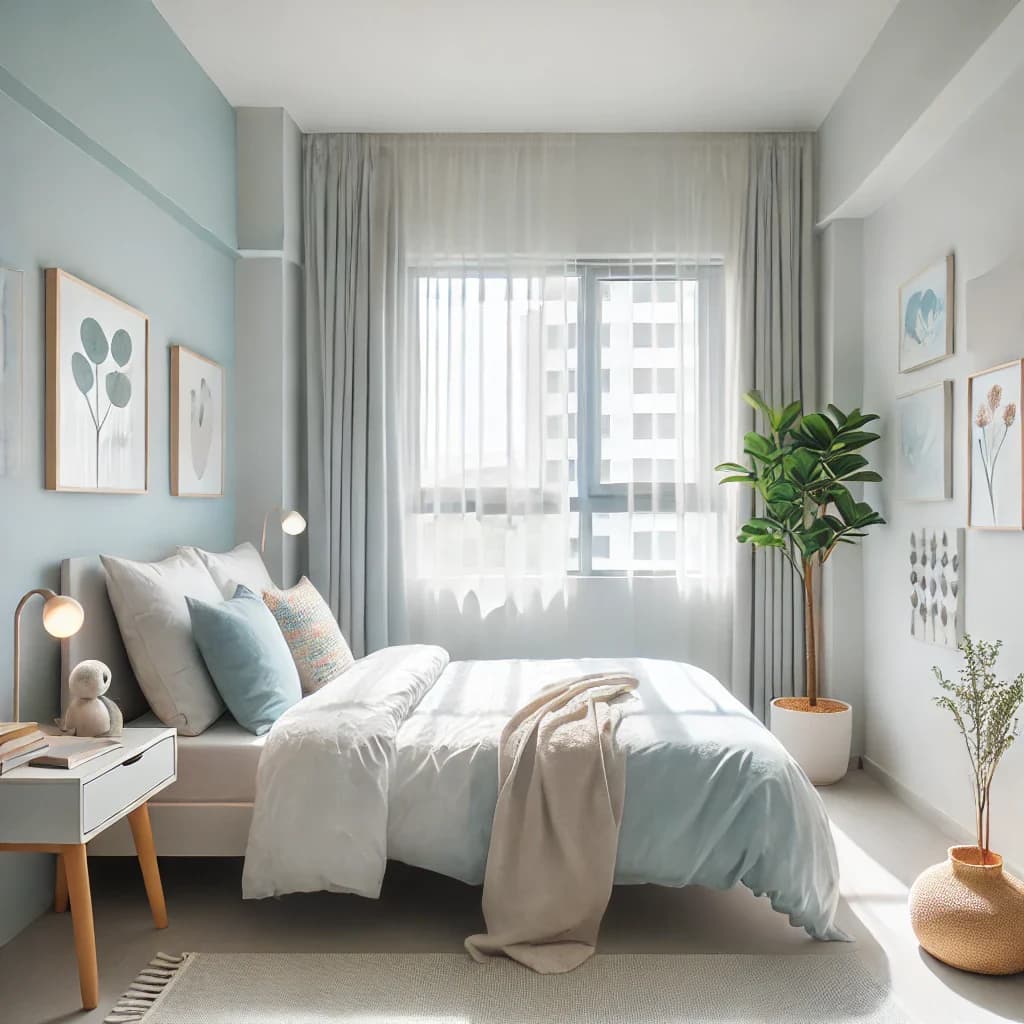
A serene and softly lit bedroom with muted tones and minimal furniture
What is a Low-Stimulation Home?
A low-stimulation home is one that restores you rather than overwhelms you. It's designed with intention, to reduce sensory overload and create an environment where your mind can actually switch off. Think of it as the opposite of walking into a busy shopping mall. Instead of bright lights, competing colours, and visual noise pulling your attention in every direction, a low-stimulation home does the opposite. Everything in it is chosen to help you breathe a little easier.
This doesn't mean the home is cold or bare. It means every element, from the colour of the walls to the texture of the cushions, has been considered with calm in mind. The result is a space that feels grounding rather than draining.
More Than Just Minimalism
A common misconception is that low-stimulation design is just another word for minimalism. It's not quite the same thing. Minimalism is often about reducing quantity, fewer objects, fewer furnishings, emptier surfaces. Low-stimulation design is more about balance and feeling. A room can have warmth, texture, and personality while still feeling genuinely calm.
The goal isn't an empty room. It's a room that supports your well-being. You can have art on the walls, a cosy reading nook, and a shelf of books you love. The difference is that none of it competes for your attention. Everything sits quietly together instead of shouting.
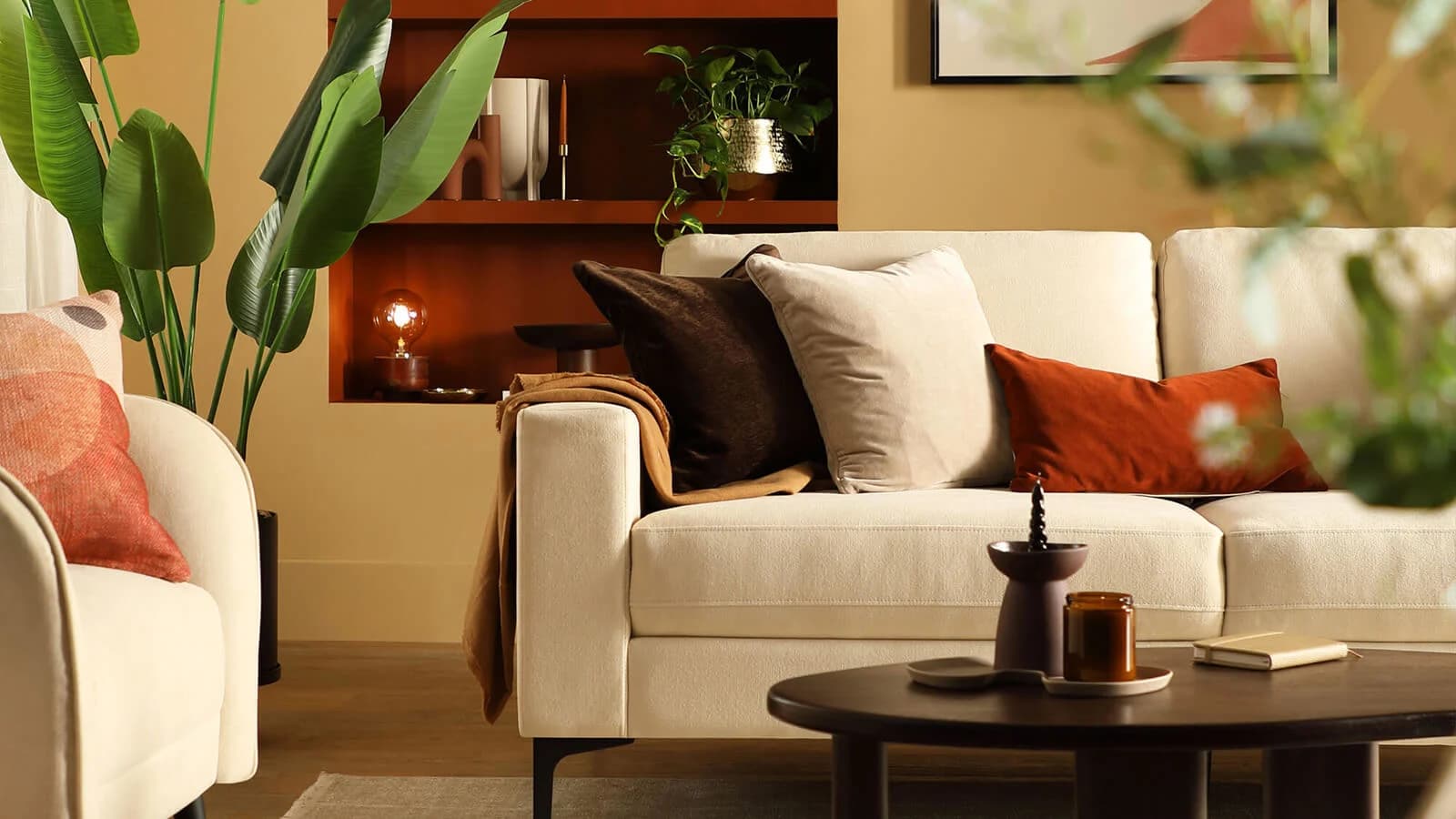
A warm living room with linen cushions, wooden furniture, and soft earthy tones
Key Elements of a Low-Stimulation Home
There are a few recurring themes you'll find in homes that get this right. They tend to use muted, soft colours rather than bold or saturated ones. Natural materials like wood, linen, rattan, and stone appear throughout, bringing warmth and texture without visual chaos. Lighting is warm and layered rather than harsh and overhead. Storage is often hidden or built-in, so surfaces stay clear. And personal touches, a favourite plant, a meaningful object, are used sparingly so they actually stand out.
Muted, soft colour palettes such as warm whites, soft greys, and earthy tones
Natural materials like wood, linen, stone, and rattan
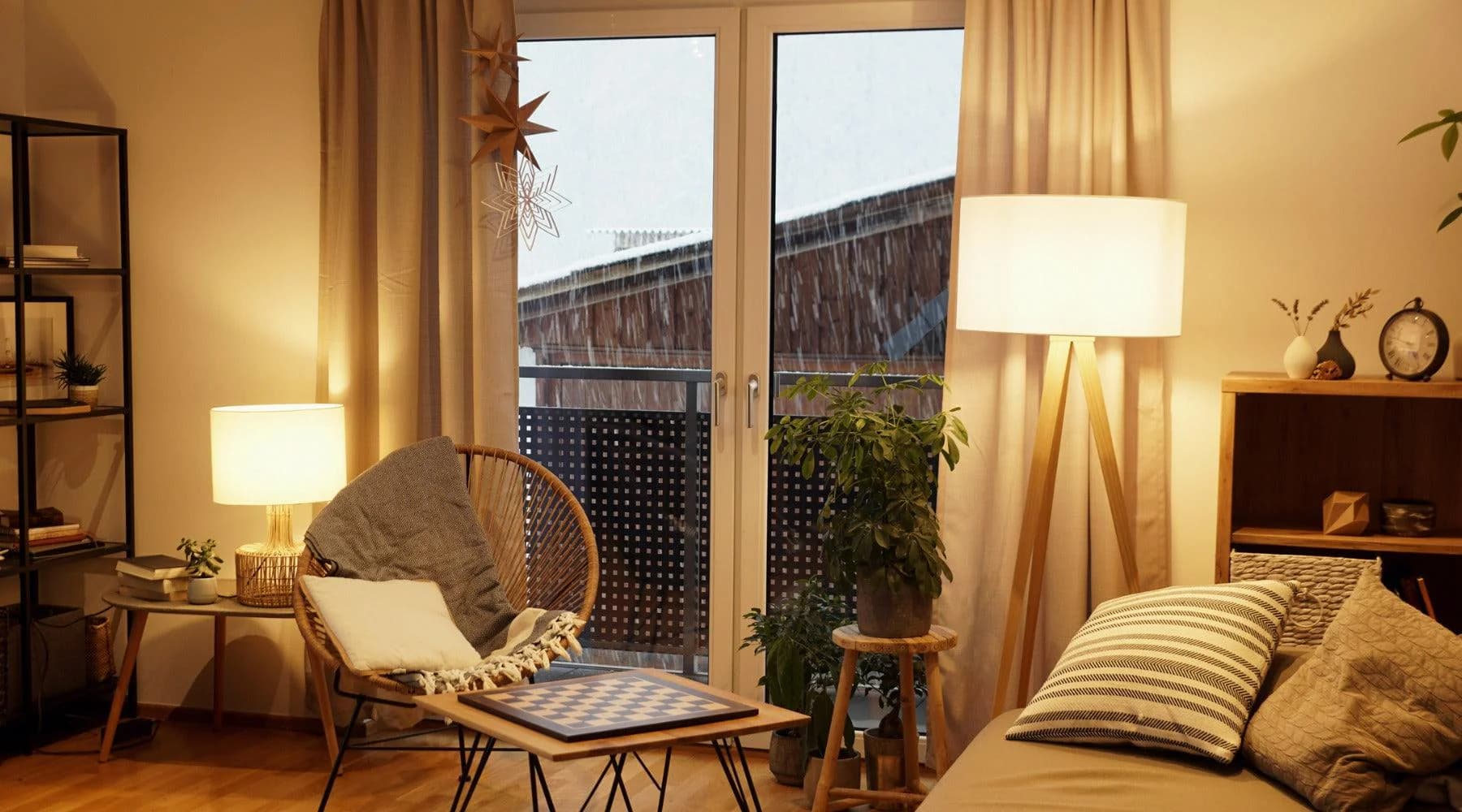
Warm, layered lighting instead of a single bright overhead fixture
Hidden or built-in storage to keep surfaces visually clear
A few meaningful personal pieces rather than lots of decorative items
Why It Actually Matters
This isn't just an aesthetic preference. There's a real connection between your environment and how you feel. Spaces that are visually noisy or cluttered have been linked to higher stress levels, difficulty focusing, and poorer sleep. When your surroundings are constantly stimulating your senses, your brain never really gets a break, even when you're at home and supposedly resting.
A calm home gives your nervous system a chance to settle. It supports mental rest, makes it easier to focus when you need to, and simply feels better to spend time in. For people who have busy, demanding days outside the home, the space they return to at the end of it matters more than most people realise.
Your home is the one environment you have the most control over. Designing it to support your mental well-being is one of the most practical things you can do for yourself.
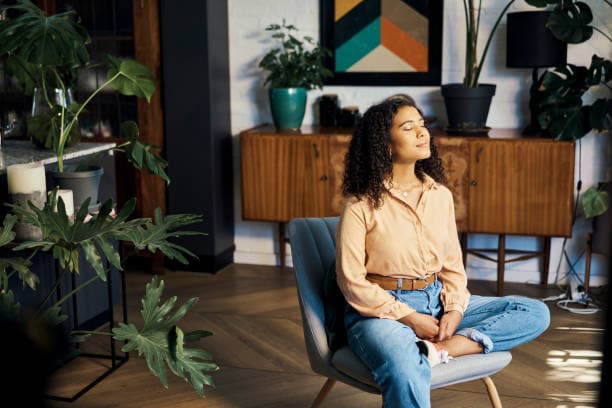
A person sitting peacefully in a softly lit room surrounded by natural textures and plants
What It Looks Like in Everyday Life
You don't need to renovate or spend a lot to move in this direction. Think soft greys and warm whites on the walls instead of something bold. Earth tones in your soft furnishings, terracotta, sand, sage. A linen throw over the sofa. A wooden side table instead of a glass and chrome one. These small choices add up to a completely different feeling in a room.
Natural textures are especially effective because they add visual interest without adding visual noise. A woven basket, a jute rug, a ceramic mug on the shelf. None of it is loud, but together it gives a room depth and warmth that feels genuinely inviting.
True Luxury is Serenity
The shift happening in home design right now reflects something bigger. People are tired. The world outside is loud, fast, and full of things competing for attention. What people are increasingly looking for in their homes isn't more, it's less. Less noise, less stimulation, less pressure to impress. More peace, more rest, more of a sense that home is a place that works for them rather than against them.
True luxury, the kind that actually improves your quality of life, isn't about size or sparkle anymore. It's about walking through your front door and feeling your shoulders drop. That's what calm design offers, and it's why so many people are starting to take it seriously.
Quick Tips to Bring Calm Into Your Home
Declutter your surfaces and keep only what you use or genuinely love
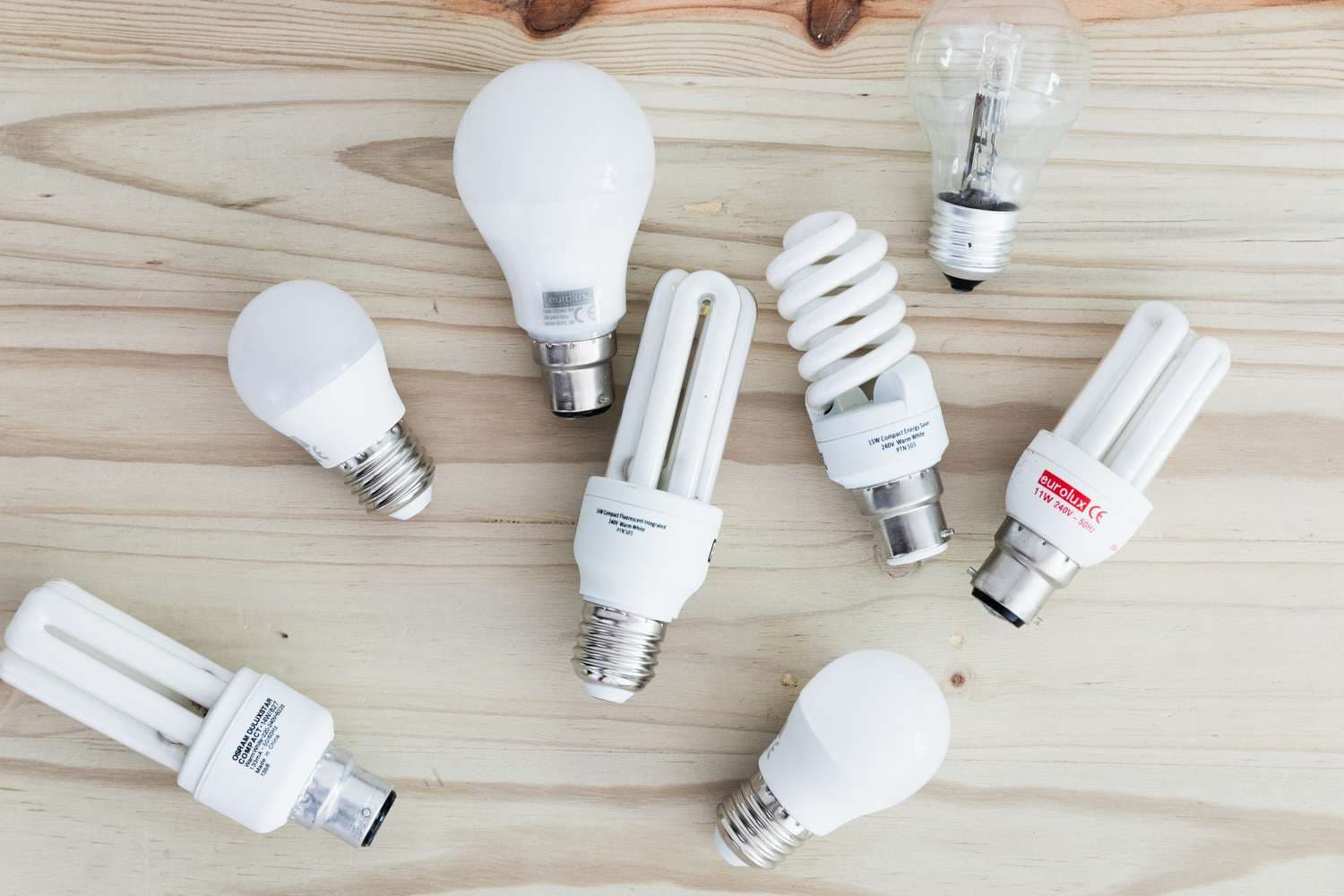
Switch to warm-toned bulbs throughout the home
Stick to a soft, cohesive colour palette in each room
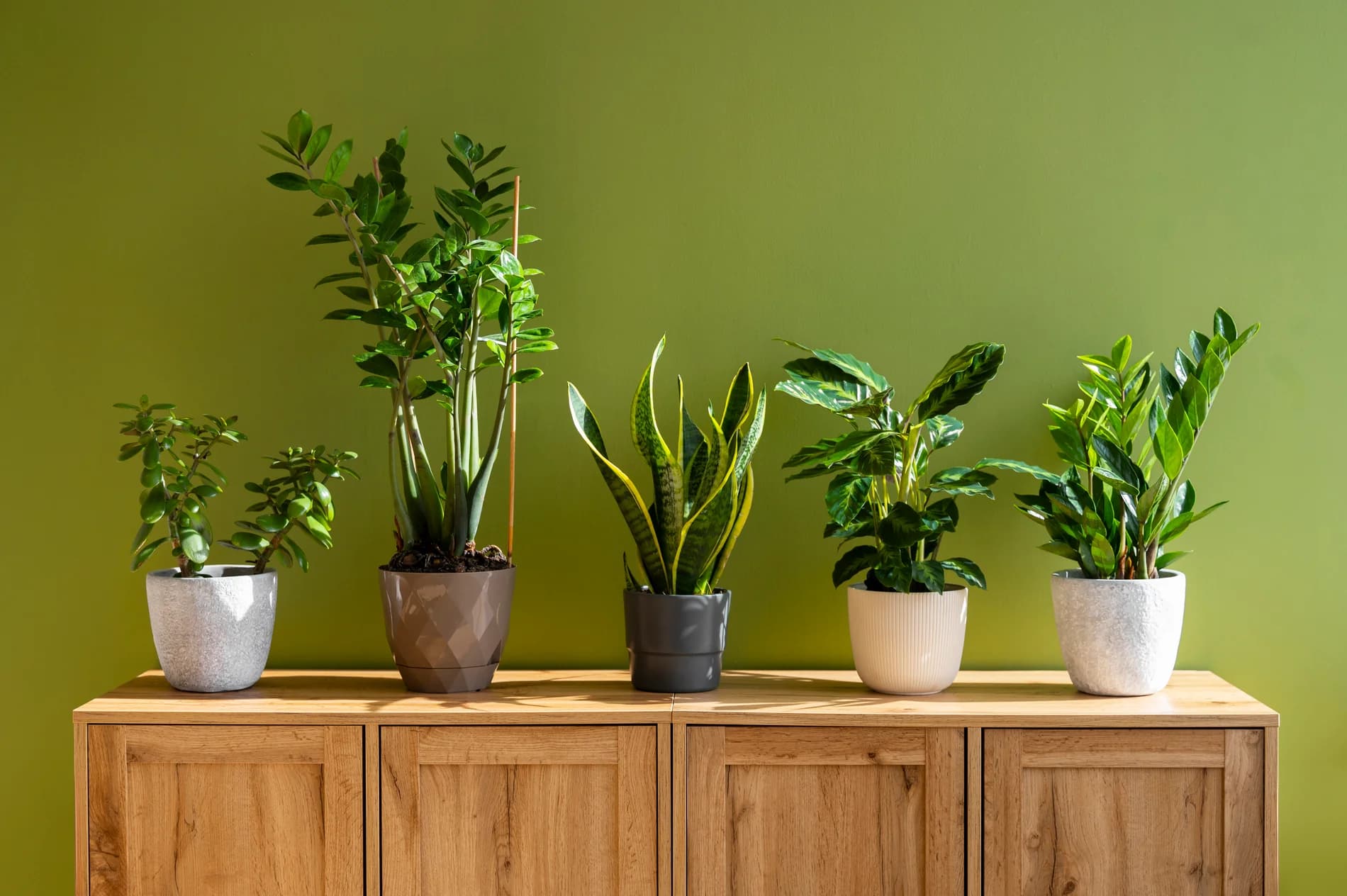
Add a plant or two for a natural, grounding touch
Choose decor with purpose rather than filling space for the sake of it
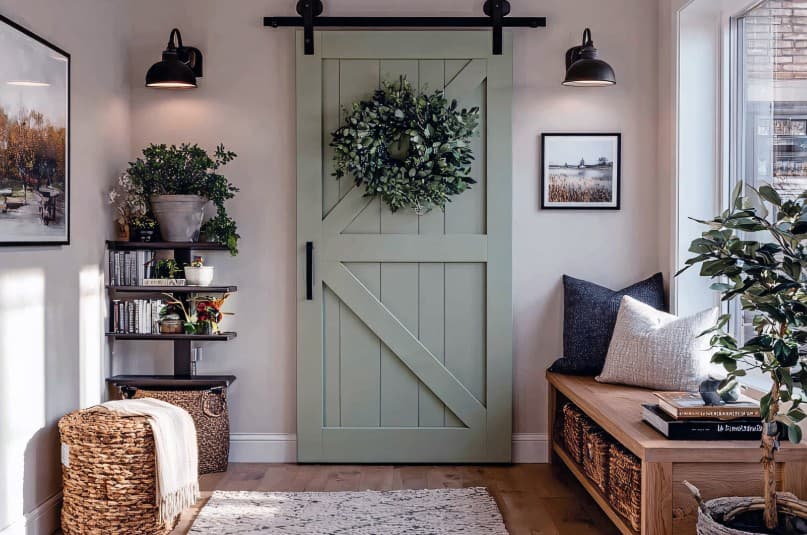
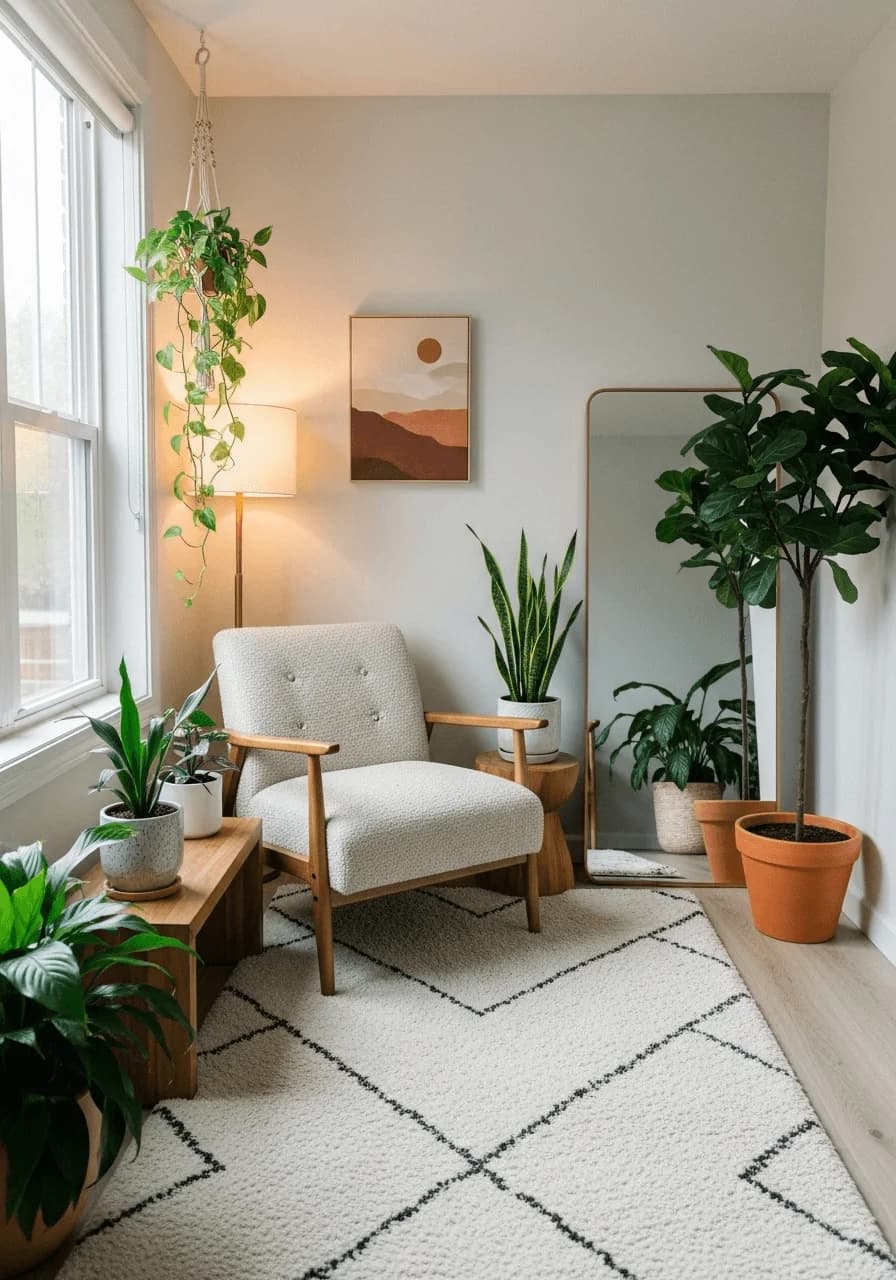
A tidy home corner with a small plant, a warm lamp, and a mirror with a simple wooden frame, all in soft, muted tones
Looking to Rent or Buy in Brunei?
We at RentNowBrunei connect you directly with property owners, no middlemen, no hidden fees, no funny business. Browse verified listings and find your next home with confidence.