Before You Agree on the Rent: Questions You Need to Ask
29 January 2026 • RentNowBrunei
You've found the place. The location is perfect, the layout works for you, and the price seems right. But before you hand over your money and sign that lease, stop. There are questions you need to ask, and they matter more than you might think. A five-minute conversation with your landlord now could save you thousands of dollars and months of frustration later. This is especially important in Brunei's rental market, where lease terms and what's included can vary wildly from property to property.
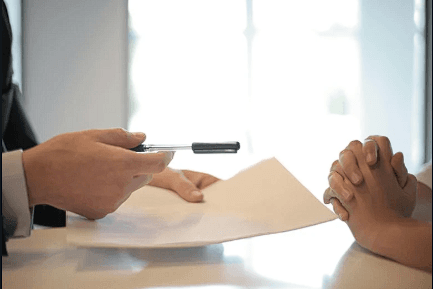
A tenant and landlord reviewing documents and discussing lease terms
What's Actually Included in the Rent?
This is the single most important question, and you'd be surprised how many people skip it. You'd assume utilities come with rent, or that parking is included, or that WiFi is your landlord's responsibility. But assumptions are dangerous. They cost money.
Sit down and ask specifically about each of these items. Don't accept vague answers. Get clarity on every one.
Utilities: Who pays for water, electricity, and gas? Are these split equally if you're sharing the property?
WiFi: Is internet connection included, or do you need to set up and pay for your own?
Parking: Does the rent cover a dedicated parking spot, or are you responsible for finding your own?
Furniture: What's included? What do you need to provide yourself?
Bills and fees: Are there council fees, maintenance charges, or other recurring costs on top of rent?
Rubbish collection and recycling: Who handles this, and is it covered?
Bills can add up fast if you get this wrong. A rental that looks affordable at 1,500 BND per month might actually cost 2,000 BND when you factor in utilities you didn't know you'd be paying for.
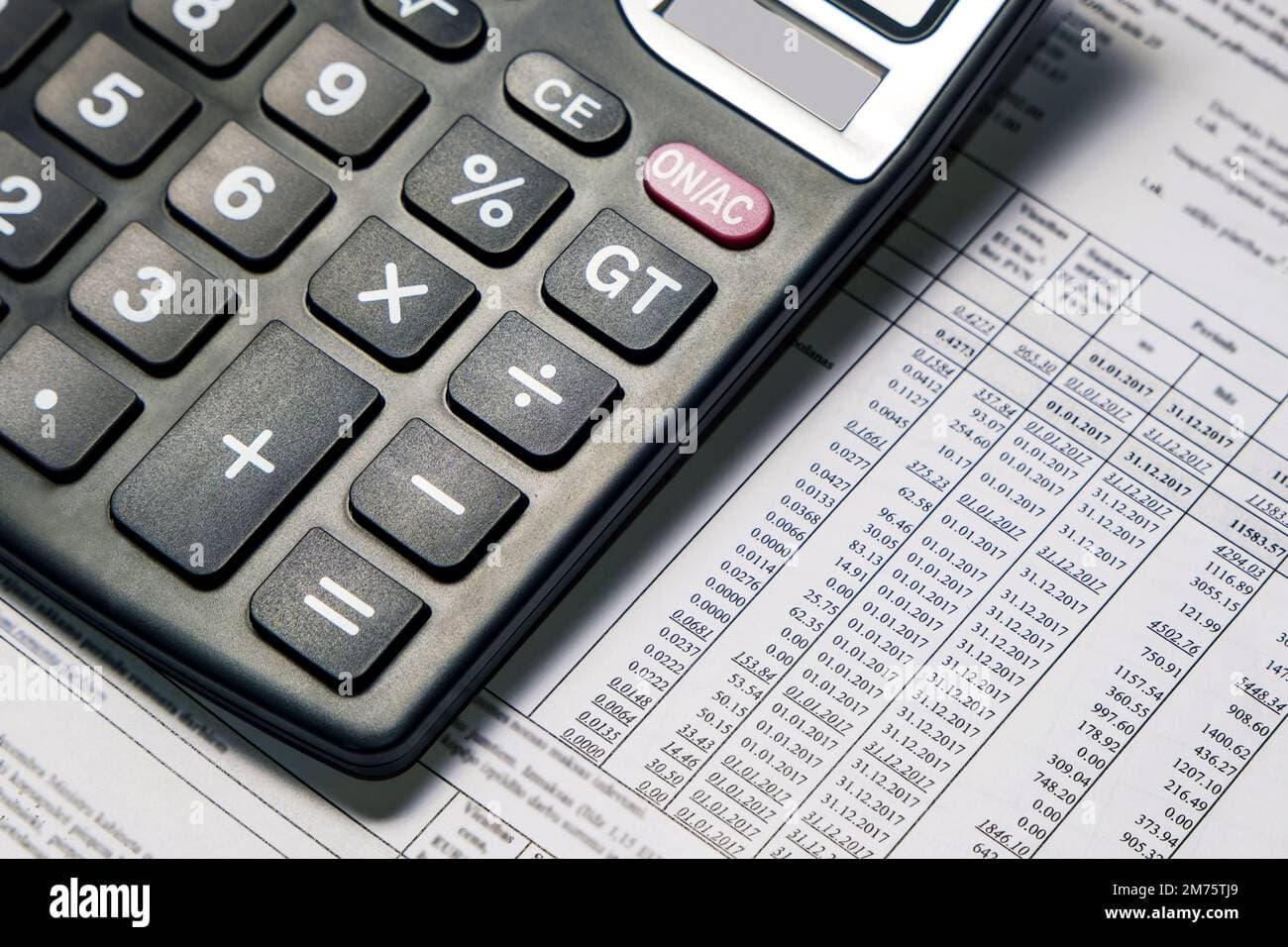
Utility bills and expense papers spread on a table with a calculator
Who Do I Call When Something Breaks?
Something will break. It always does. Maybe it's the air conditioning during the hottest week of the year. Maybe it's a leaking tap or a non-functioning toilet. The important thing is knowing exactly what happens next and who pays for it.
Have this conversation while you're still in good terms with your landlord, not after you've discovered a burst pipe at midnight. You need to know:
Who do I contact first? Get your landlord's phone number, email, and preferred method of communication.
Is there an emergency contact for after-hours problems?
How long do repairs typically take? Days? Weeks?
Who pays for repairs? This depends on the cause. Normal wear and tear should be the landlord's responsibility, but intentional damage would be yours.
Are there any repairs that are explicitly your responsibility as the tenant?
Get these answers in writing if possible. It prevents misunderstandings and protects you from unexpected bills for repairs that weren't your fault.
What Are the Contract Terms?
Life is unpredictable. You might get a job offer in another country. Your family situation might change. You might simply decide this place isn't working for you. The last thing you want is to be locked into a contract you can't exit.
How long is the minimum lease term? One year? Two years? Six months?
Can I break the lease early, and if so, what's the penalty?
How much notice do I need to give before moving out? One month? Two months? Three months?
What happens to my deposit if I give notice? Do I lose it?
Are there any specific conditions for breaking the lease without penalty?
A three or six-month notice period might not sound like a big deal, but it could cost you significant money if you need to move unexpectedly. If you have job flexibility or think your living situation might change, prioritise properties with shorter notice periods.
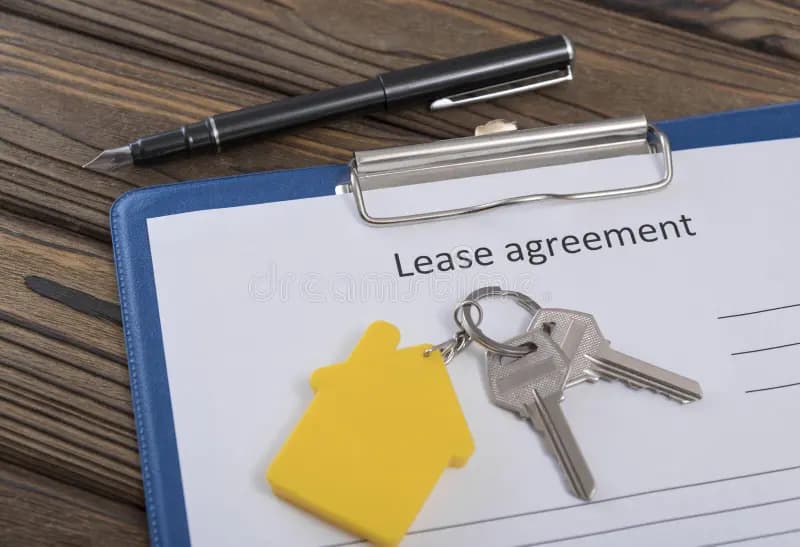
A signed lease contract and house keys on a wooden desk
What Are the House Rules?
This is where small misunderstandings turn into big problems. What seems reasonable to you might violate the lease. What your landlord thinks is obvious might never have crossed your mind.
Are pets allowed? If yes, are there size or breed restrictions?
Can I decorate? Paint the walls? Remove paint later?
Can I drill holes, hang pictures, or install shelves?
Are there quiet hours or noise restrictions?
Can I have overnight guests? How long can they stay?
Is smoking allowed inside the property?
Are there any restrictions on cooking certain foods because of smell?
Who is responsible for yard maintenance or plant watering, if applicable?
Get these rules in writing as part of your lease. It's not about being paranoid. It's about being clear. Most landlord-tenant conflicts happen because expectations were never properly aligned.
Let's Talk About Parking
This might seem like a small thing, but it causes real frustration for renters who don't ask the right questions beforehand. You might be fine with street parking when you sign the lease, but what happens when your new neighbours consistently block your car?
Is parking private or shared? Do you have a dedicated spot, or do you share with others?
How many vehicles are allowed? What if you get a second car later?
Is there visitor parking, and is it clearly marked?
If street parking is the option, what are the parking regulations? Are there permit requirements? Can you be ticketed?
What's the general parking situation in the neighbourhood? Is it usually tight, or is there plenty of space?
If you have two vehicles or think you might soon, make sure there's space for both. Don't assume street parking will work indefinitely. In many areas of Brunei, it becomes a problem quickly.
Don't Forget the Deposit Questions
Your security deposit is your money. You should get it back when you move out, assuming you've looked after the property. But deposits can mysteriously disappear if you don't know the rules.
How much is the deposit? Is it one month's rent, two months, or something else?
Where is it held? In a separate account or with the landlord's personal funds?
When will I get it back after I move out? Immediately, or does it take weeks?
What deductions might be made? Normal wear and tear should not be deducted, but you need clarity on what counts as damage.
Can I use the deposit to cover the last month's rent, or must I pay rent in full?
What if I disagree with deductions? What's the dispute process?
Take photos of the property condition when you move in. Document any existing damage. This becomes essential if there's a dispute about your deposit later.
One More Thing: Get Everything in Writing
This can't be stressed enough. Verbal agreements are worthless when there's a conflict. Your landlord might be the nicest person in the world and fully intend to honour what they've told you, but memories fade and circumstances change. What seemed clear in conversation becomes murky in retrospect.
Ask for a lease agreement that covers all of these points. If the landlord doesn't have one, draft your own simple document that outlines the key terms and ask them to sign it. Keep a copy for yourself.
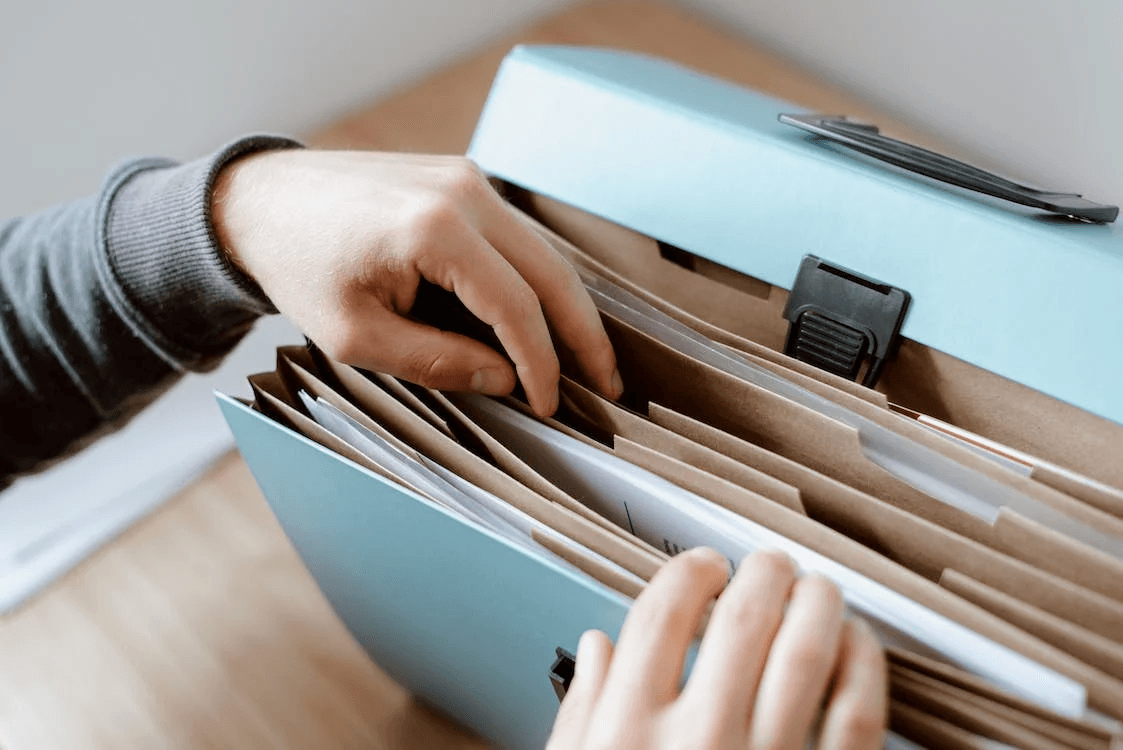
A person keeping a copy of an important rental agreement in a folder
The Bottom Line
Asking questions might feel awkward or too cautious. You might worry that the landlord will think you're difficult or suspicious. But here's the truth: a good landlord expects these questions. They know that clear agreements prevent problems.
The landlords who get defensive or vague about these questions are the ones to be cautious about anyway. Your job as a tenant is to protect yourself. That means asking, clarifying, and getting answers in writing.
A few minutes of conversation before you sign could save you months of headache and hundreds or thousands of dollars. That's not being overly cautious. That's being smart.
Ready to Start Your Rental Search in Brunei?
We at RentNowBrunei connect you directly with property owners, no middlemen, no hidden fees, no funny business. Browse verified listings and find your next home with confidence. Every property comes with clear information so you can ask the right questions from the start.